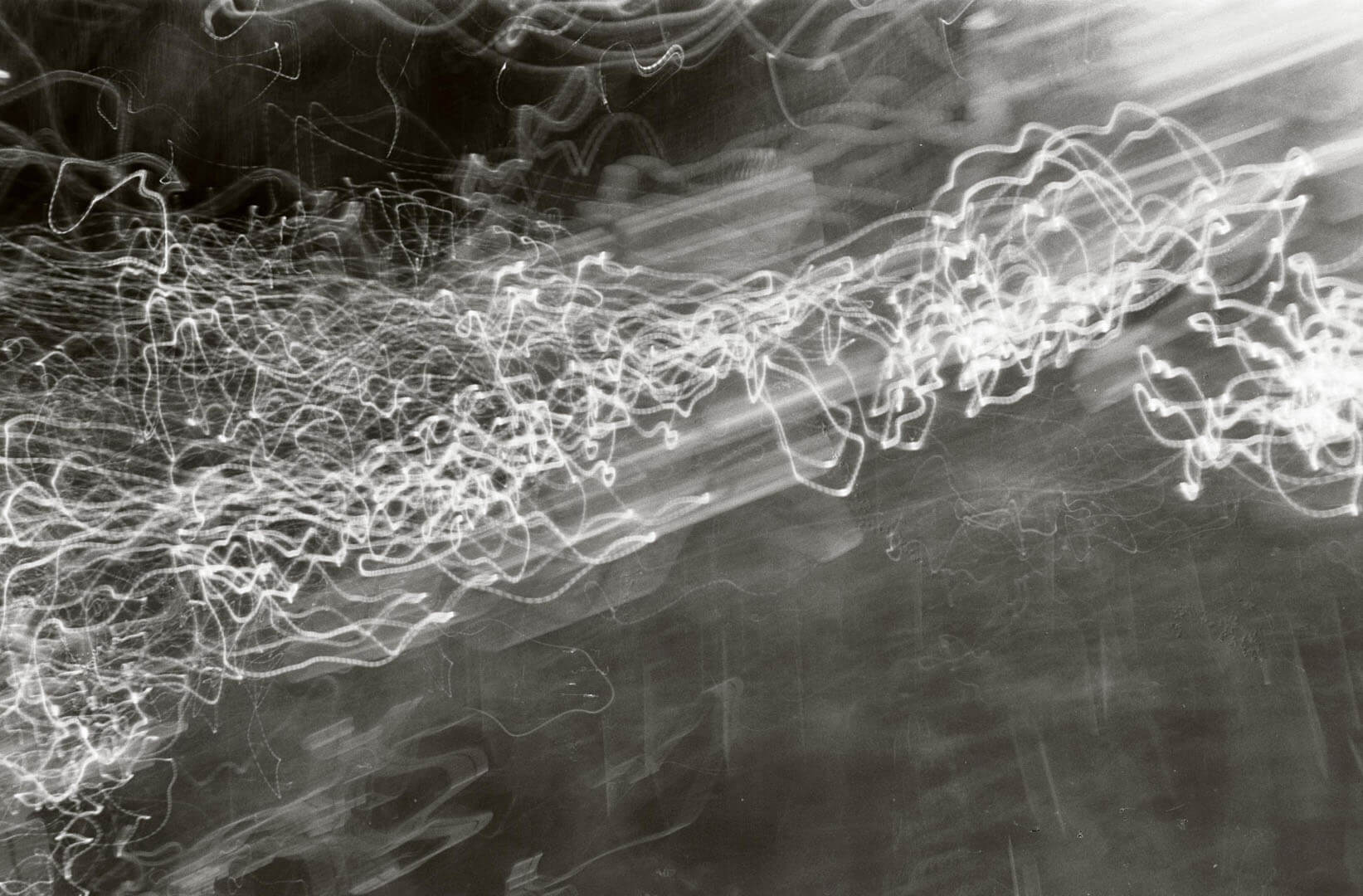
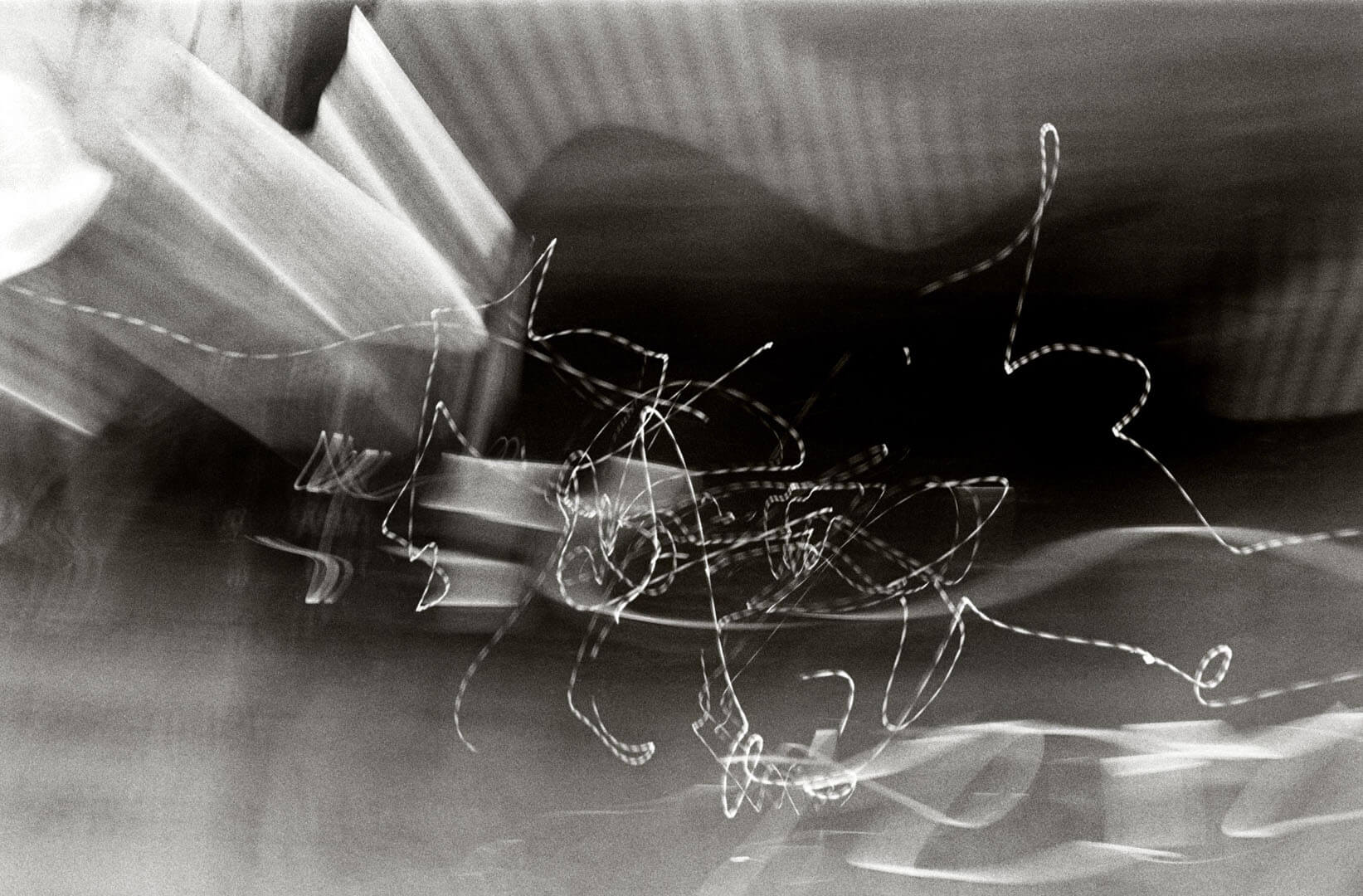
4’33”, Photographs
How can one understand a geometry? By moving around it.
How can one understand movement? Through time.
No space witjout time. Time rules our world, it is the essential element to the construction of any mental universe.
Photography is often considered as a “specific look on the world”. The artist’s eye usually makes the picture and its creator inseparable, as it corresponds to a certain moment and a certain point of view.
In this case, the camera opens its shutter in a split second, freezes an image in a time that is too short to be even perceived. Then, the only way to make this image last is to use the viewer’s imagination, that builds a “before” and “after”.
However, this vision can be seen as a nonsense, since the camera itself also endures time. How can one have an exterior look at our own universe? Would the photographer place himself in a divine, overlooking position?
Reality obeys to the laws of time and image, thus to the successive cultural changes of society. There is no reality without representation. And reality takes some depth as soon as one switches from one representation to another.
Here, the representation is not human, but mechanical: it comes from the camera itself.
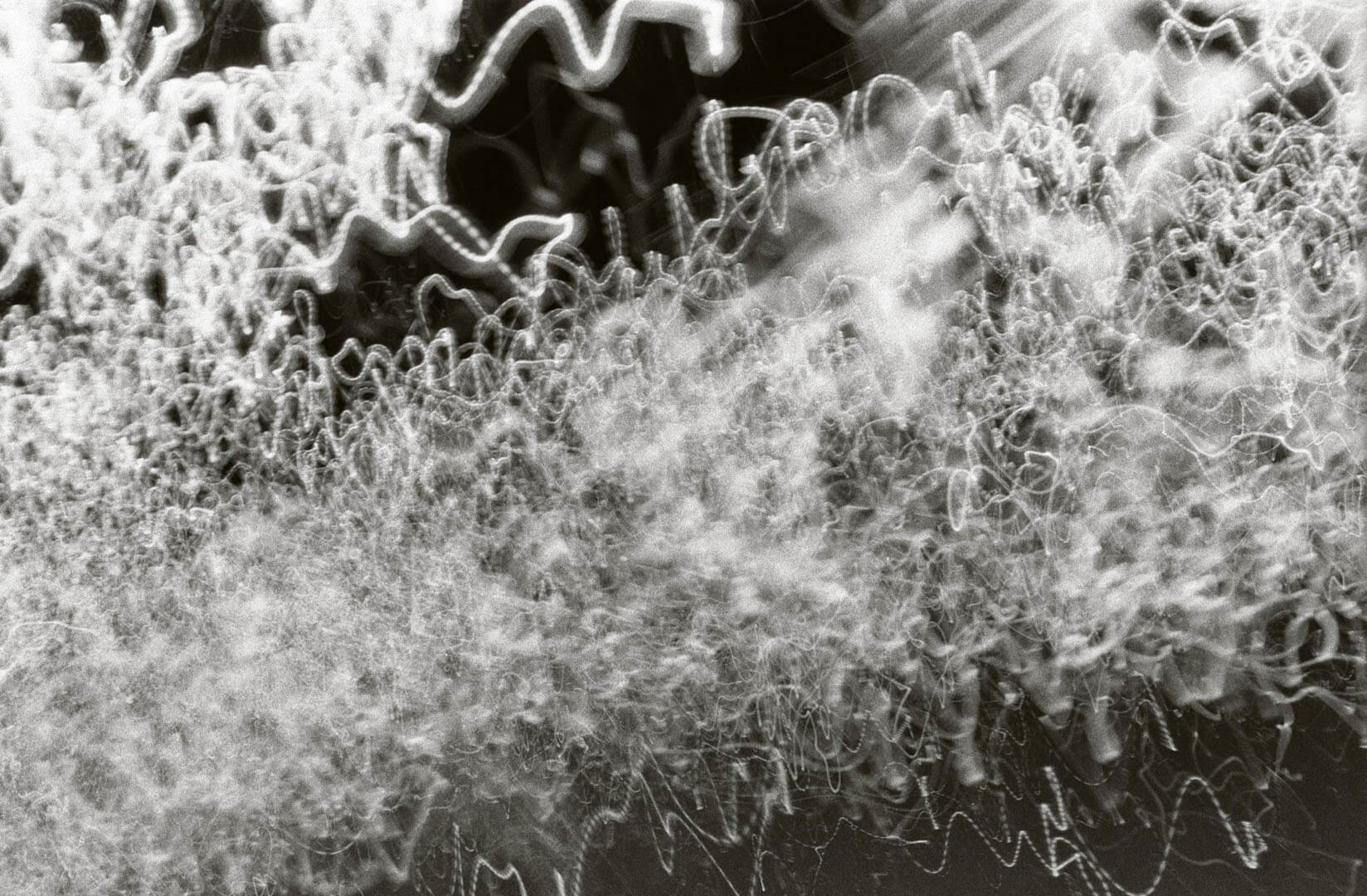
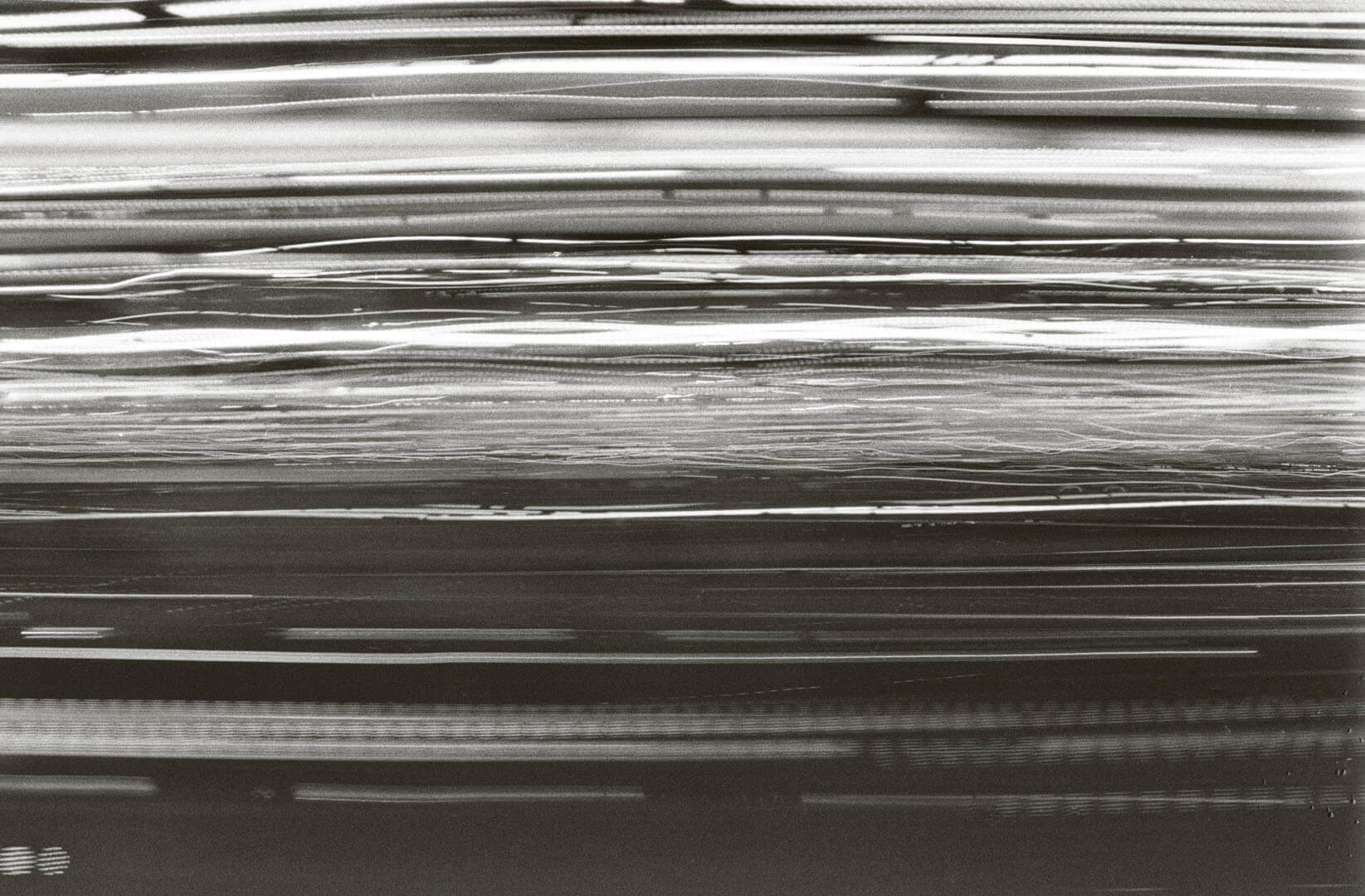
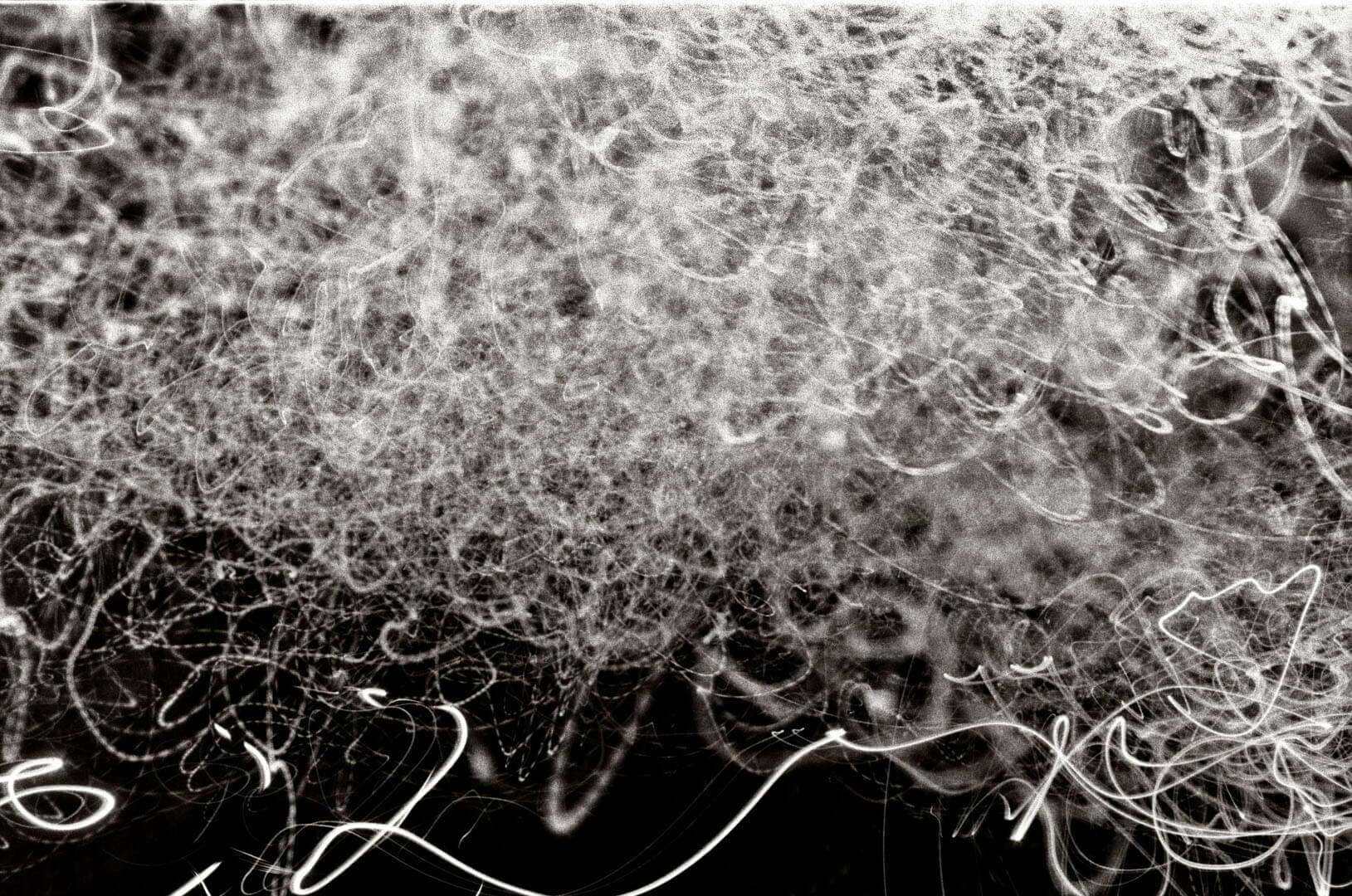
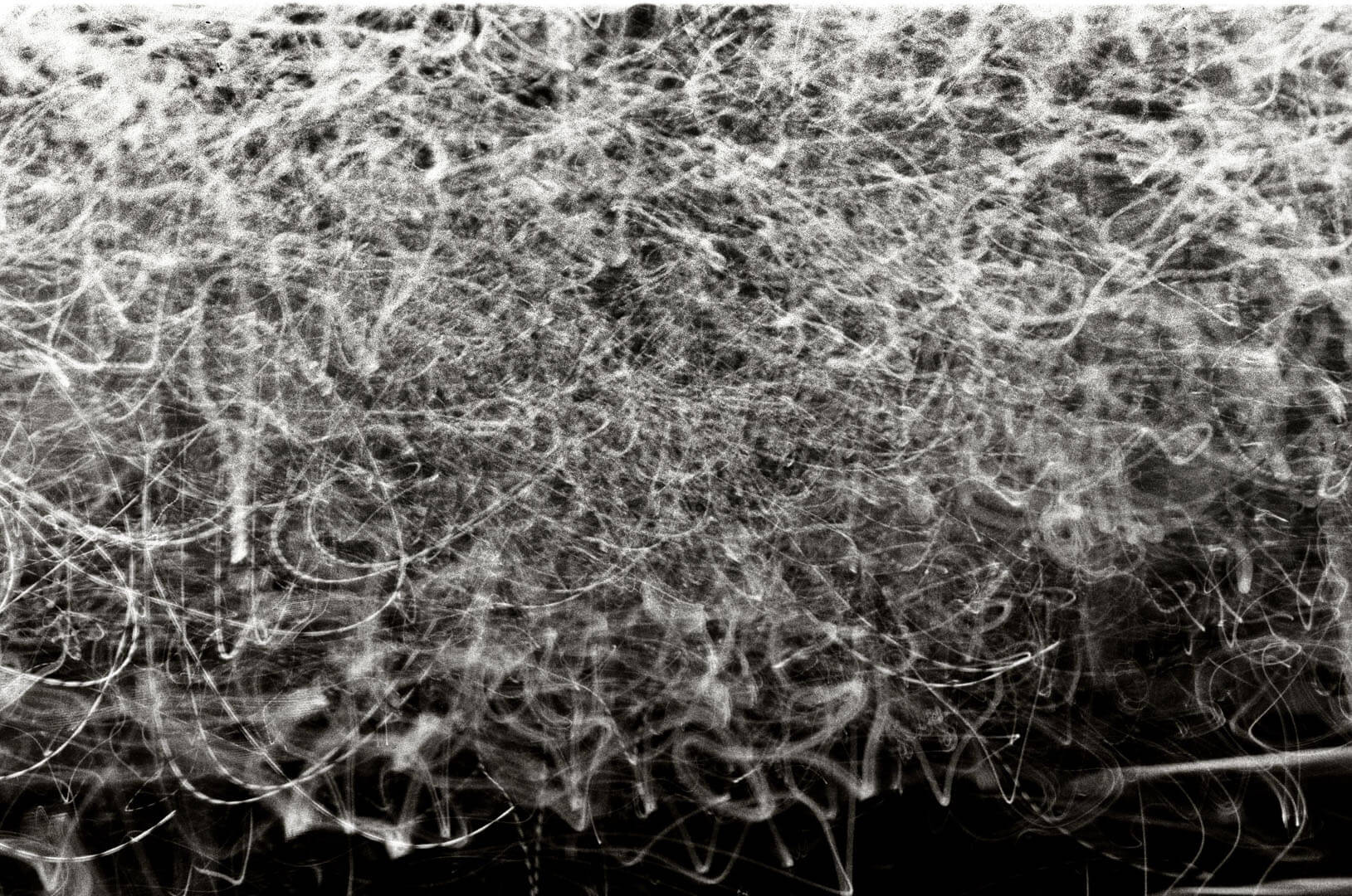
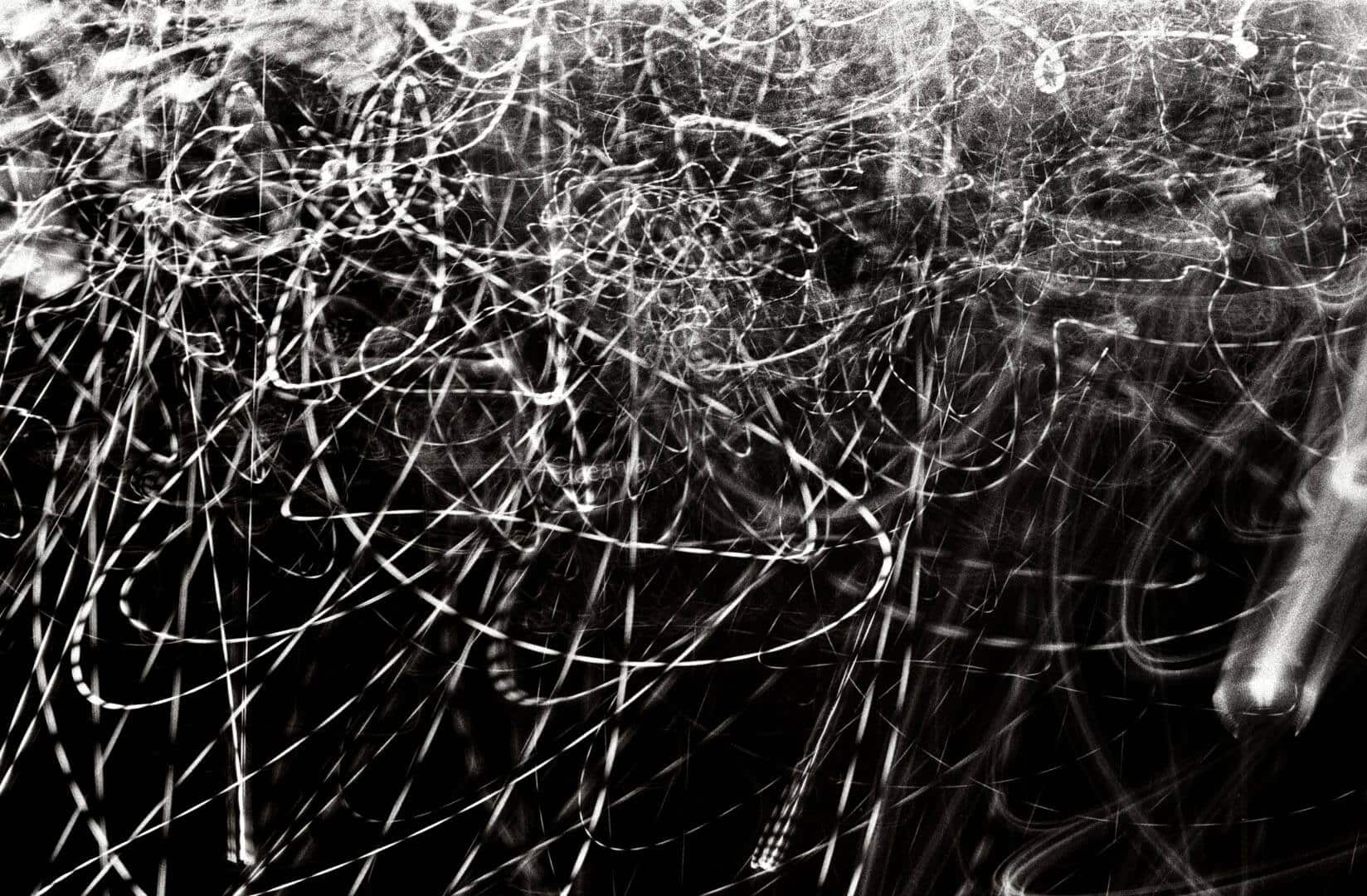
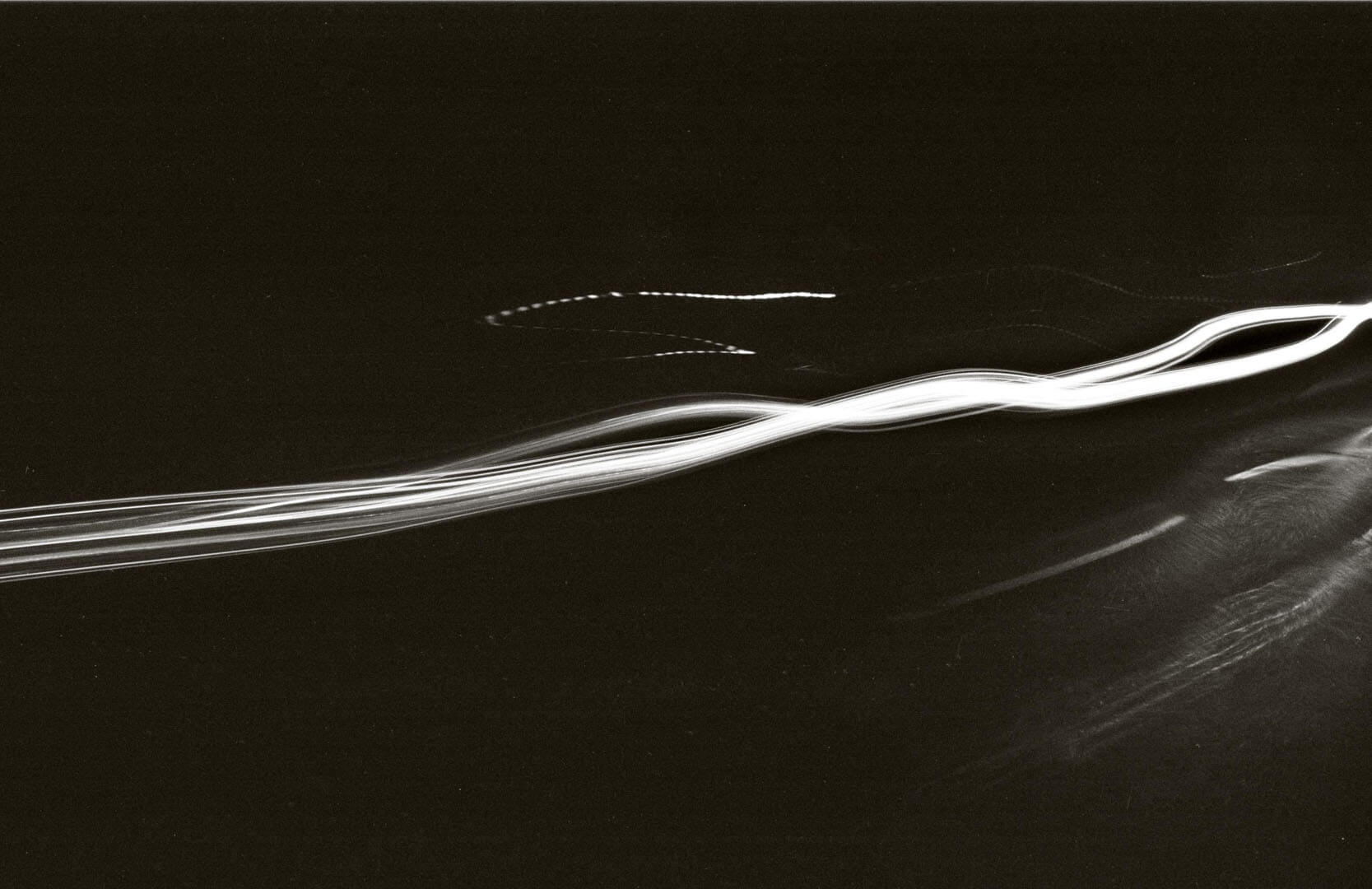
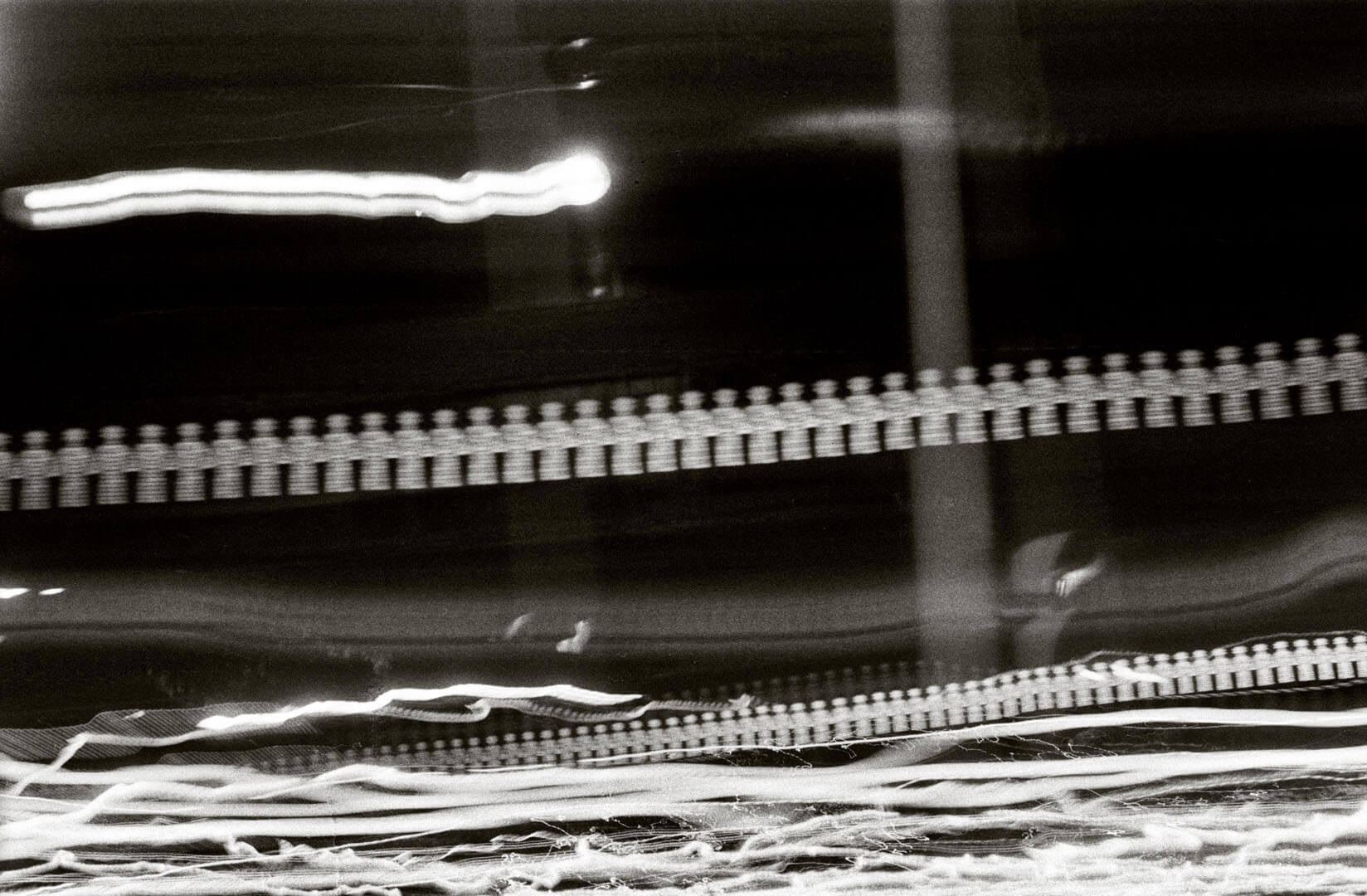
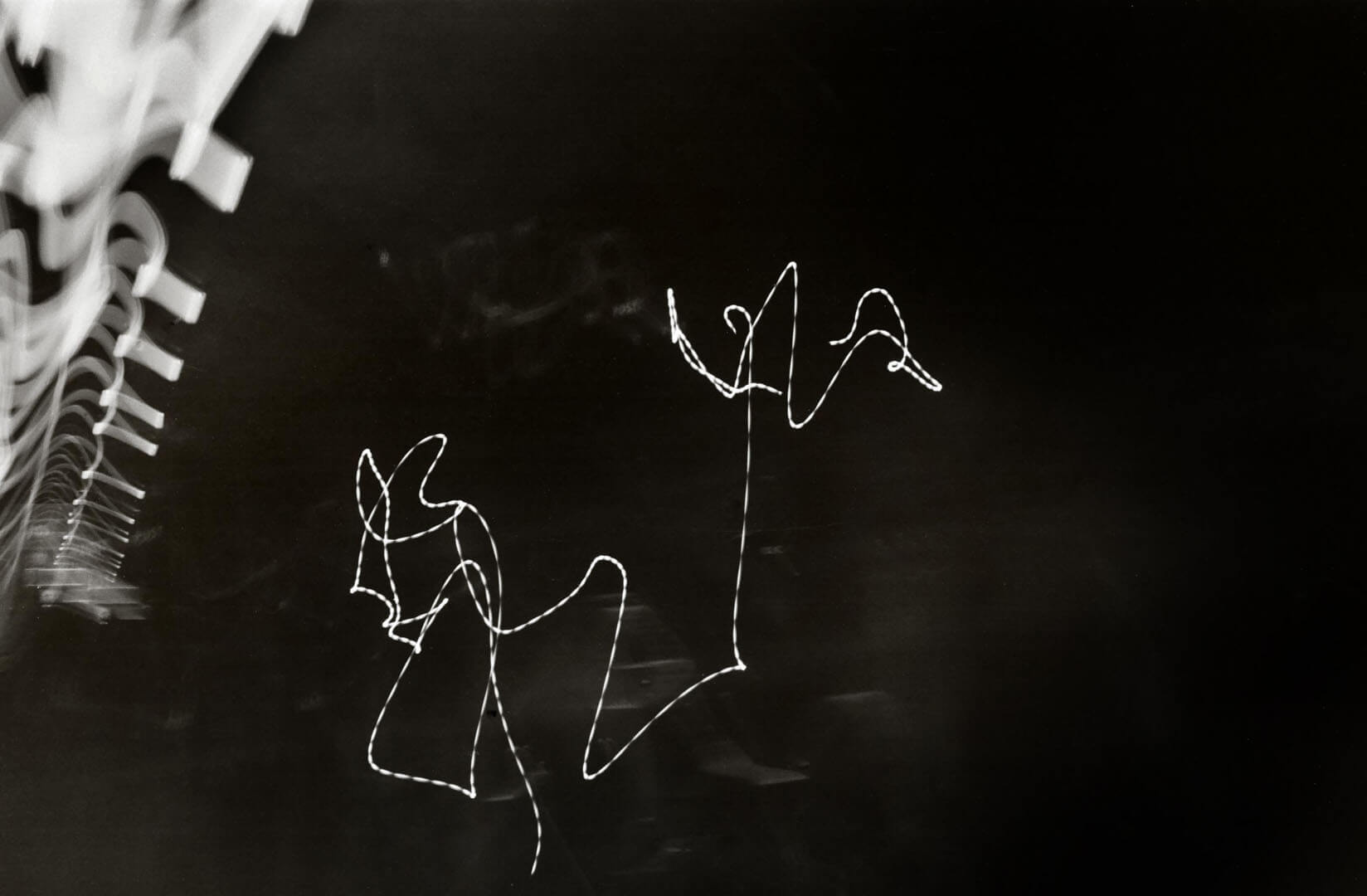
The camera opens its eyes, just like a man. It prints, just like our memory does. But its capacities go far beyond ours. 46 minutes, 1’43”, 4’33”, 15’16”…
The camera remembers all this time passed, all the lights that blinded, burned or soothed its eye. Printing on a film a universe that is already there: such is the challenge of thes photographs. It is a shift that wakes up the camera. Nothing has to be seen, one just needs to look.
No pre-defined artistic style or personnality here: the formal result is just a piece of time, a piece of our world, without any particular value or stake.
At that moment, something opened its eyes, and saw. It looked carefully at how important a single second or minute can be, and how wonderful the most common moments can sometimes become.